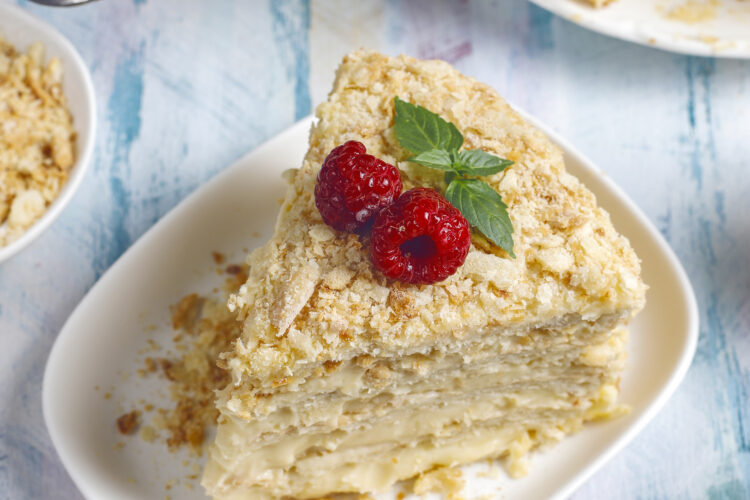
Ever wondered how to whip up a vanilla cake that’s soft, moist, and irresistibly delicious—all in your own kitchen? Whether you’re baking for a birthday, celebration, or just because you crave something sweet, creating a homemade vanilla cake is easier than you might think. Today, I’m going to walk you through a foolproof recipe that guarantees a tender, moist cake with a classic vanilla flavor that everyone will love. No fancy ingredients or complicated techniques needed—just simple, accessible steps that deliver perfect results every time.
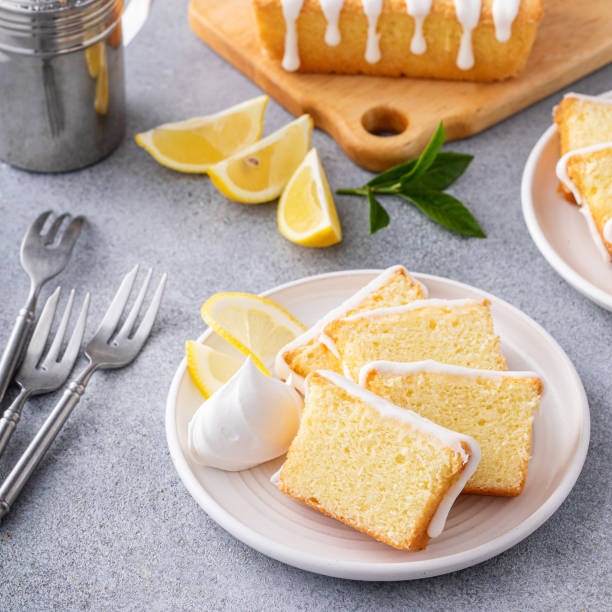
Why Choose a Simple Vanilla Cake Recipe?
Vanilla cake is a staple in many households and bakeries—and for good reasons. It’s versatile, crowd-pleasing, and pairs wonderfully with a variety of fillings and frostings. But what really makes a vanilla cake stand out? Its moist texture and light crumb. Many recipes fall short here, ending up dry or dense. That’s why a simple, moist vanilla cake recipe is a game-changer—it emphasizes the right ingredients, proper techniques, and attention to detail to ensure a soft, melt-in-the-mouth experience.
What Makes a Cake Moist and Delicious?
Let’s talk about what really keeps your cake moist and flavorful:
- Fat Content: Butter or oil adds richness and moisture.
- Proper Mixing: Overmixing can make cakes tough, while undermixing can cause uneven texture.
- Correct Oven Temperature: Too hot and the cake dries out; too cool and it may not cook evenly.
- Ingredients’ Freshness: Fresh baking powder, flour, and eggs contribute to better texture.
- Hydration: Using wet ingredients like milk or buttermilk improves moistness.
Materials Needed: Your Cake-Making Arsenal
Below is a detailed table of everything you’ll need for this moist vanilla cake recipe. Having everything prepared beforehand ensures a smooth baking process.
| Item | Quantity | Notes |
|---|---|---|
| All-purpose flour | 2 ½ cups (300g) | Sifted for light texture |
| Granulated sugar | 1 ¾ cups (350g) | For sweetness and moisture |
| Baking powder | 2 ½ teaspoons | Leavening agent for rise |
| Baking soda | ½ teaspoon | Reacts with acidity for fluffiness |
| Salt | ½ teaspoon | Enhances flavor |
| Unsalted butter | ½ cup (115g) | Softened at room temperature |
| Eggs | 3 large | Room temperature |
| Whole milk | 1 cup (240ml) | Or buttermilk for extra tenderness |
| Pure vanilla extract | 2 teaspoons | For authentic vanilla flavor |
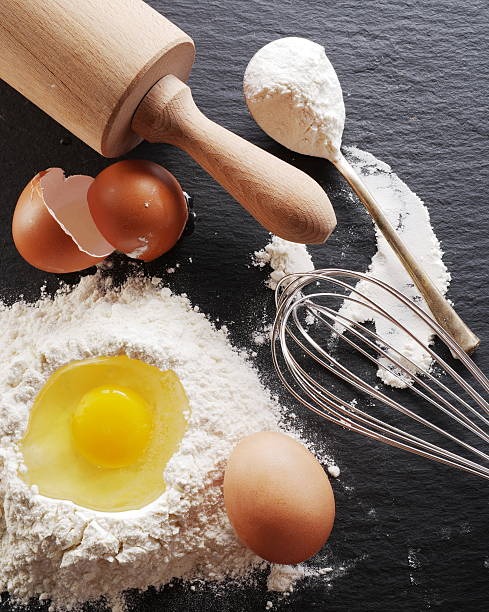
Tip: Always use fresh baking powder and eggs to ensure your cake rises properly and stays moist.
Tips for Success: How to Achieve the Perfect Moist Vanilla Cake
- Use room temperature ingredients: Eggs, butter, and milk mix more evenly.
- Don’t overmix the batter: Mix just until ingredients are incorporated to keep the cake soft.
- Properly measure ingredients: Use measuring cups and spoons for accuracy.
- Preheat your oven: Bake at the right temperature (usually 350°F/175°C).
- Use the right bakeware: Light-colored pans promote even baking.
- Check doneness: Insert a toothpick—if it comes out clean, your cake is ready.
Step-by-Step: How to Make a Moist Vanilla Cake
1. Prepare Your Oven and Pans
- Preheat your oven to 350°F (175°C).
- Grease your cake pans with butter or non-stick spray.
- Lightly dust with flour, or line with parchment paper for easy removal.
2. Mix Dry Ingredients
In a bowl, sift together:
- Flour
- Baking powder
- Baking soda
- Salt
Set aside. Sifting prevents lumps and ensures even distribution of leavening agents.
3. Cream Butter and Sugar
In a large bowl, beat the softened butter and sugar together using a hand or stand mixer. Mix on medium speed for about 3-4 minutes until the mixture is light, fluffy, and pale in color.
4. Add Eggs and Vanilla
One at a time, add eggs to the creamed mixture, beating well after each addition. This helps incorporate air, giving your cake a light texture. Then, mix in vanilla extract.
5. Alternate Adding Dry and Wet Ingredients
Reduce mixer speed to low. Add the dry ingredients in three parts, alternating with the milk in two parts:
- Start with ⅓ of dry ingredients, mix until just incorporated.
- Add half the milk, mix gently.
- Repeat with remaining ingredients, ending with dry ingredients.
Do not overmix—stop when ingredients are just combined to keep the cake tender.
6. Pour Batter into Pans and Bake
Divide the batter evenly between your prepared pans. Use a spatula to smooth the tops.
Bake for 25-30 minutes. Check doneness with a toothpick—if it comes out clean, your cake is done.
7. Cool and Frost
Let the cakes cool in the pans for about 10 minutes, then transfer to a wire rack to cool completely. Once cooled, you can frost and decorate as desired.
Common Mistakes and How to Avoid Them
- Using cold ingredients: Cold butter or eggs can cause batter separation. Always bring ingredients to room temperature.
- Overmixing the batter: It develops gluten, making the cake dense and tough. Mix until just combined.
- Incorrect oven temperature: Always preheat and use an oven thermometer if possible.
- Not measuring ingredients accurately: Too much flour can dry out your cake; too little baking powder can prevent proper rise.
- Removing the cake prematurely: Cool completely before frosting to prevent melting or tearing.
Variations and Creative Twists
Don’t be afraid to tweak this classic recipe! Here are some ideas:
| Variation | Description | Tips |
|---|---|---|
| Lemon vanilla | Add 1 tablespoon lemon zest and 1 tablespoon lemon juice to batter for a zingy twist. | Use lemon extract for more pronounced flavor. |
| Coconut vanilla | Fold in ½ cup shredded coconut before baking. | Pair with coconut frosting for an extra tropical feel. |
| Almond vanilla | Replace vanilla extract with almond extract for a nutty aroma. | Perfect with almond-flavored frosting. |
| Vegan adaptation | Substitute plant-based butter and plant-based milk, and use baking soda with vinegar instead of eggs. | Ensures a moist, dairy-free cake. |
Summary and Final Tips
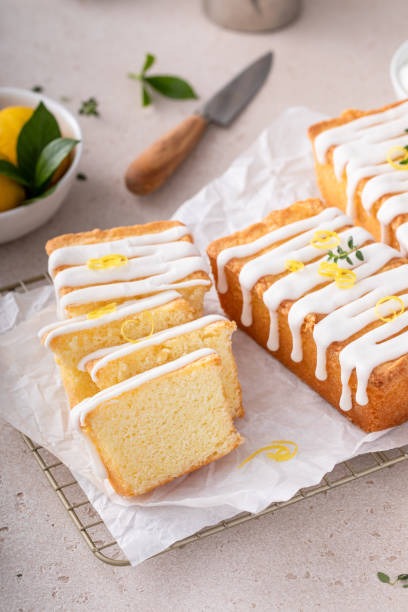
Baking a moist vanilla cake at home is more accessible than you think. By using fresh ingredients, precise measurements, and gentle mixing, you can achieve a light, tender, and moist cake that’s perfect for any occasion. Remember to preheat your oven, avoid overmixing, and cool your cake properly before frosting. Feel free to experiment with flavor variations to customize your cake!
So, grab your ingredients and get baking. With patience and care, you’ll roast up a vanilla cake that’s better than anything store-bought—moist, fluffy, and just downright delicious. Happy baking!
Thanks for reading! Whether you’re celebrating a special day or just craving a sweet treat, this simple moist vanilla cake recipe is your new go-to. Enjoy every bite!