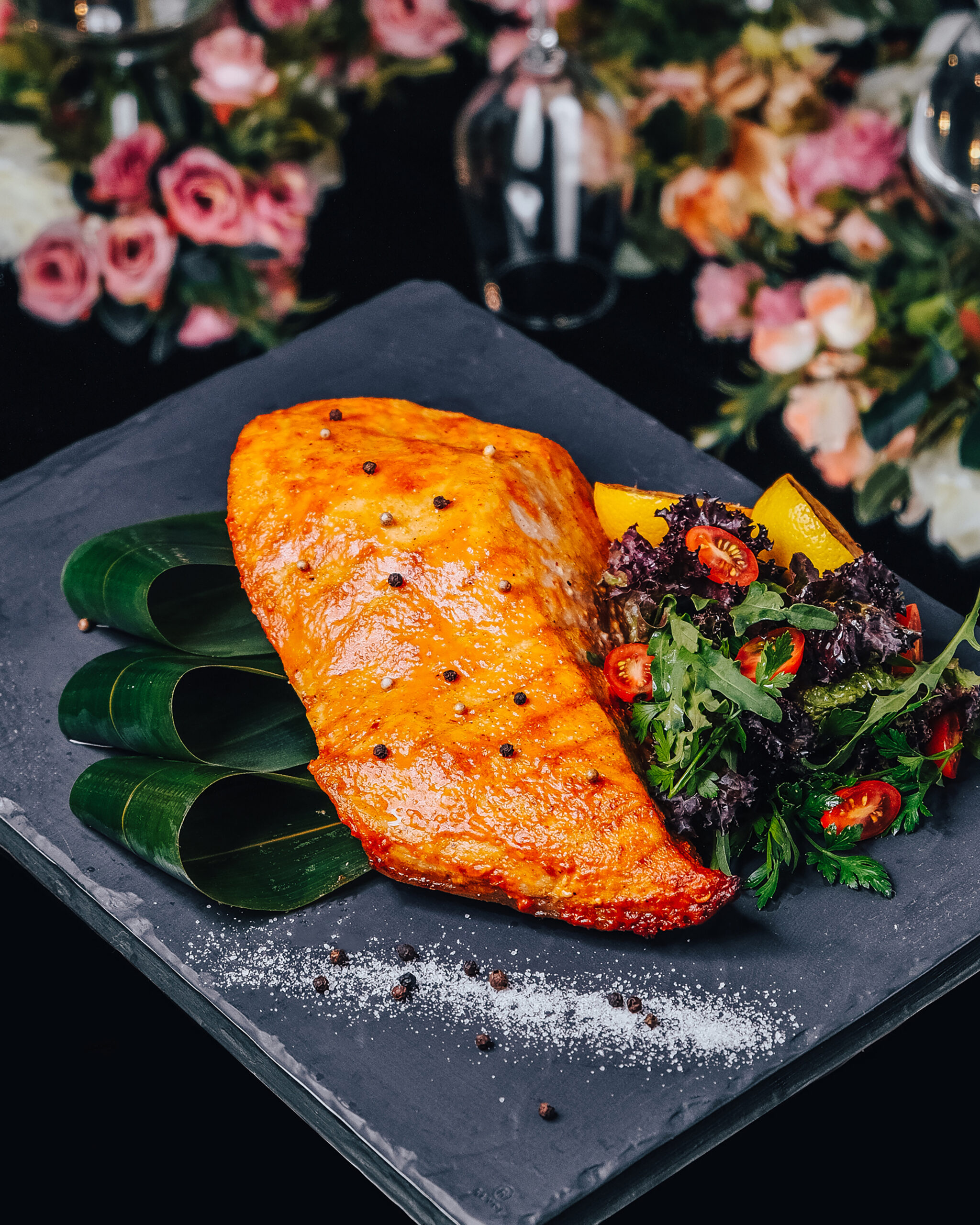
I love making baked salmon when I want a dinner that feels special but doesn’t require complicated cooking. This recipe combines tender, flaky salmon with a bold, savory sauce made with soy sauce, ginger, garlic, chili garlic sauce, honey, rice vinegar, and toasted sesame oil. The result is flavorful salmon with lightly caramelized edges and plenty of delicious sauce in every bite. I also like serving it with noodles, rice, or steamed vegetables to turn it into a complete meal. Best of all, baking the salmon makes the process simple, hands-off, and perfect for a busy weeknight dinner.

Quick Recipe Overview
- Prep Time: 10 minutes
- Cook Time: 15–20 minutes
- Total Time: 25–30 minutes
- Servings: 4
- Course: Dinner
- Cuisine: Asian-inspired
- Difficulty: Easy
Why You’ll Love This Baked Salmon
- Easy to prepare: I only need a few simple steps to get this salmon ready for the oven.
- Packed with flavor: Fresh ginger, garlic, soy sauce, chili garlic sauce, and sesame oil create a deeply savory and slightly spicy glaze.
- Tender and flaky: Baking helps the salmon stay moist while the sauce develops a delicious finish.
- Perfect for weeknights: This recipe comes together quickly without requiring complicated techniques.
- Versatile: I can serve it with ramen noodles, steamed rice, vegetables, or a fresh salad.
- Customizable: I can easily adjust the sweetness or spice level to suit my taste.
Ingredients for Baked Salmon
For this recipe, I use salmon fillets and a flavorful Asian-inspired sauce. The quantities below make approximately four servings.
For the Salmon
- 4 salmon fillets, about 6 ounces (170 g) each – I prefer skin-on or skinless salmon depending on how I plan to serve it.
- 1 tablespoon oil – Helps coat the salmon and keeps the surface moist while baking.
- Salt, to taste – I use a light amount because the soy sauce already provides plenty of saltiness.
- ¼ teaspoon black pepper – Adds a subtle savory flavor.
For the Sauce
- ¼ cup (60 ml) low-sodium soy sauce or tamari – This creates the savory base of the glaze.
- 2 tablespoons chili garlic sauce – Adds heat, garlic flavor, and body to the sauce.
- 1 tablespoon Sriracha – I use more or less depending on how spicy I want my salmon.
- 1 tablespoon honey, maple syrup, or brown sugar – Adds sweetness and helps the sauce caramelize as it bakes.
- 1 tablespoon rice vinegar – Brightens the sauce and balances the richness.
- 2 teaspoons toasted sesame oil – Gives the salmon a warm, nutty aroma.
- 1 tablespoon freshly grated ginger – Adds a fresh, slightly spicy flavor.
- 1 tablespoon minced garlic – Gives the glaze a rich savory depth.
- ½ teaspoon red pepper flakes – Optional, but I like using them when I want extra heat.
- ⅓ cup chopped green onion, white and light green parts – Adds freshness and a mild onion flavor.
Optional Serving Ingredients
- 8 ounces ramen noodles – I like serving the baked salmon over saucy noodles for a satisfying meal.
- Extra chopped green onions
- Toasted sesame seeds
- Lime wedges
- Steamed broccoli or other vegetables
Required Kitchen Tools
Having the right tools makes this baked salmon recipe quick and straightforward. These are the kitchen tools I recommend having ready:
- Baking Sheet or Baking Dish: I use a rimmed baking sheet or shallow baking dish to hold the salmon and catch any sauce that spreads during baking.
- Parchment Paper: Lining the baking sheet makes cleanup much easier and helps prevent the glaze from sticking.
- Small Mixing Bowl: I use this to combine the soy sauce, chili garlic sauce, Sriracha, honey, rice vinegar, sesame oil, ginger, and garlic.
- Whisk or Spoon: A small whisk or spoon makes it easy to blend the sauce ingredients evenly.
- Pastry Brush: I use a pastry brush to spread the flavorful sauce generously over each salmon fillet.
- Kitchen Tongs or Spatula: These help me transfer the cooked salmon carefully without breaking the tender fillets.
- Kitchen Thermometer: A thermometer is useful for checking the salmon’s internal temperature and preventing accidental overcooking.
Having these tools prepared before I start makes the entire cooking process smoother and helps me focus on getting the salmon perfectly tender and flavorful.
Preparing the Sauce
The sauce is what gives this baked salmon its bold, savory, slightly sweet, and spicy flavor. I like preparing it before I touch the salmon so everything is ready to go.
- Combine the soy sauce and sweetener: I add the low-sodium soy sauce and honey to a small mixing bowl. If I’m using maple syrup or brown sugar instead of honey, I add it at this stage as well.
- Add the spicy ingredients: I stir in the chili garlic sauce, Sriracha, and red pepper flakes. I usually start with the recommended amount and add more Sriracha if I want extra heat.
- Add the aromatics: I mix in the freshly grated ginger, minced garlic, and chopped white and light-green portions of the green onions.
- Balance the flavors: I add the rice vinegar and toasted sesame oil, then stir everything together until the sauce is smooth and well combined.
- Taste the sauce: Before adding it to the salmon, I taste a small amount. If I want more sweetness, I add a little honey. For more acidity, I add a splash of rice vinegar, and for extra heat, I add additional Sriracha or red pepper flakes.
Preparing the Salmon
Once my sauce is ready, I prepare the salmon for baking.
- Preheat the oven: I preheat my oven to 400°F (200°C). Getting the oven fully heated before baking helps the salmon cook evenly.
- Prepare the baking sheet: I line a rimmed baking sheet or baking dish with parchment paper. This makes cleanup easier, especially when working with a sticky glaze.
- Pat the salmon dry: I gently pat each salmon fillet dry with paper towels. Removing excess moisture helps the sauce adhere better and encourages the surface of the salmon to develop a beautiful finish.
- Arrange the fillets: I place the salmon fillets on the prepared baking sheet, leaving a little space between each piece.
- Season lightly: I lightly season the salmon with black pepper and only a small amount of salt. Since soy sauce is already salty, I avoid adding too much additional salt.
Adding the Flavorful Sauce
I spoon or brush the prepared sauce generously over the top of each salmon fillet. I make sure the surface is well coated so every bite gets plenty of the ginger-garlic glaze.
For an even richer flavor, I let the salmon sit with the sauce for about 5–10 minutes before putting it in the oven. This short resting time allows the flavors to begin soaking into the surface of the fish.
I reserve a small amount of the sauce separately if I want extra sauce for serving. I don’t reuse sauce that has been in contact with raw salmon unless I cook it thoroughly first.
Baking the Salmon
Now I bake the salmon until it is tender, flaky, and cooked through.
- Place the salmon in the oven: I transfer the prepared baking sheet to the preheated 400°F (200°C) oven.
- Bake: I bake the salmon for approximately 12–18 minutes, depending on the thickness of the fillets. Thicker pieces may need a few additional minutes.
- Check for doneness: I check the thickest part of the salmon with a kitchen thermometer. For food safety, I cook salmon to 145°F (63°C) in the center. The flesh should also look opaque and separate easily with a fork.
- Avoid overbaking: I start checking early because salmon can become dry if it is left in the oven too long. The exact cooking time depends on the thickness of the fillets and the individual oven.
- Optional caramelized finish: If I want the glaze to become slightly more caramelized, I can place the salmon under the broiler for about 1–2 minutes at the end. I watch it closely because the honey or maple syrup in the sauce can brown quickly.
- Rest the salmon: Once baked, I remove the salmon from the oven and let it rest for about 3–5 minutes before serving. This helps the juices settle while the fish finishes gently cooking.
How I Know My Salmon Is Ready
I look for several signs when checking baked salmon. The flesh should be opaque on the outside and should flake easily when gently pressed with a fork. The center should be moist rather than dry, and the sauce should look glossy and slightly thickened.
Because salmon fillets vary considerably in thickness, I rely on the internal temperature rather than cooking time alone. A kitchen thermometer gives me the most reliable result.
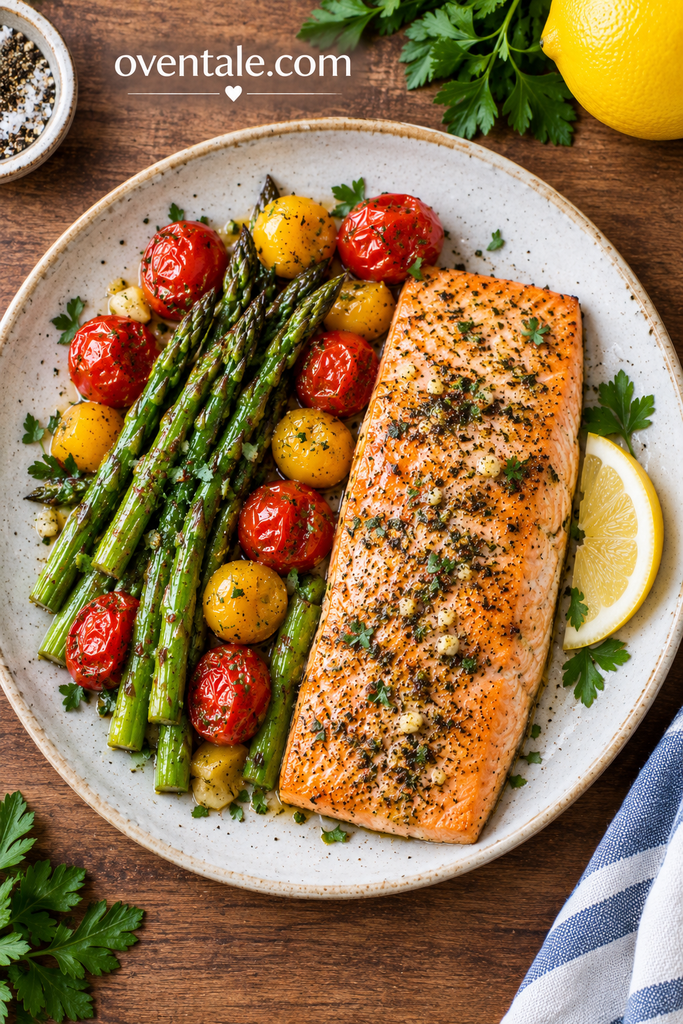
Preparing the Ramen Noodles
If I’m serving the baked salmon with ramen noodles, I prepare them while the salmon is baking.
- I cook 8 ounces of ramen noodles according to the package directions.
- I drain the noodles well once they are tender.
- I toss them with a little of the prepared sauce or some of the pan juices from the cooked salmon.
- I finish the noodles with chopped green onions and, if desired, toasted sesame seeds.
The noodles make a great base for the salmon because they soak up the savory, spicy sauce and turn the dish into a hearty dinner.
Serving Baked Salmon
Once my salmon has rested, I like to finish it with a few fresh toppings before serving. The glossy sauce, flaky salmon, and fresh garnishes make this dish both flavorful and visually appealing.
I usually sprinkle chopped green onions over the top and add toasted sesame seeds for a little crunch. A squeeze of fresh lime juice is also delicious because its acidity cuts through the richness of the salmon and brightens the spicy sauce.
For a complete meal, I serve the baked salmon with ramen noodles, steamed rice, roasted vegetables, or a simple green salad.
Suggested Toppings and Garnishes
There are plenty of easy ways to finish baked salmon. Some of my favorite options include:
- Chopped green onions: Add freshness and a mild onion flavor.
- Toasted sesame seeds: Give the salmon a pleasant nutty crunch.
- Fresh lime wedges: A squeeze of lime adds brightness and balances the savory glaze.
- Red pepper flakes: I sprinkle on a little extra when I want more heat.
- Fresh cilantro: Adds a fresh herbal note that works especially well with the spicy sauce.
- Sliced red chili: Great for anyone who enjoys a more noticeable spicy kick.
- Extra sauce: A spoonful of warm sauce over the salmon makes every bite even more flavorful.
What to Serve With Baked Salmon
I love how versatile this baked salmon recipe is. Depending on the occasion, I can pair it with a simple side or build an entire dinner around it.
Ramen Noodles
The ramen noodles are one of my favorite pairings. Their soft texture and savory flavor make a perfect base for the saucy salmon. I toss the cooked noodles with some of the sauce and top them with the salmon and green onions.
Steamed Rice
Steamed white or brown rice is another simple option. The rice absorbs the flavorful sauce beautifully and helps balance the spicy ingredients.
Roasted Vegetables
I like serving salmon with roasted broccoli, carrots, bell peppers, asparagus, or zucchini. The lightly browned vegetables add texture and make the meal more substantial.
Fresh Salad
For a lighter dinner, I serve the salmon alongside a crisp cucumber, cabbage, or mixed-green salad. A light rice-vinegar dressing complements the Asian-inspired flavors.
Stir-Fried Vegetables
Quickly stir-fried vegetables such as broccoli, snap peas, mushrooms, bell peppers, and carrots make an excellent side dish. I keep the seasoning simple so the salmon remains the star of the meal.
Tips for Making the Best Baked Salmon
Over time, I’ve found that a few simple techniques make a big difference when preparing baked salmon.
Choose Similar-Sized Fillets
I try to select salmon fillets that are roughly the same thickness. This helps them finish cooking at approximately the same time.
Pat the Salmon Dry
I always pat the salmon dry before adding the sauce. Excess moisture can dilute the glaze and prevent it from clinging properly to the fish.
Don’t Oversalt
Because soy sauce and chili garlic sauce already contain salt, I use only a small amount of additional salt. This keeps the finished dish balanced rather than overly salty.
Don’t Overcook the Fish
This is one of the most important tips I can give. Salmon can quickly become dry if it stays in the oven too long. I begin checking the thickest fillet toward the lower end of the suggested cooking time.
Use a Thermometer
A kitchen thermometer is the easiest way for me to check whether the salmon has reached a safe internal temperature. I insert it into the thickest part of the fillet without touching the pan.
Let the Salmon Rest
I allow the cooked salmon to rest for a few minutes before serving. This gives the juices time to settle and makes the fillets easier to handle.
How to Adjust the Spice Level
This recipe has a noticeable spicy kick from the chili garlic sauce, Sriracha, and red pepper flakes. Fortunately, I can easily adjust the heat.
For a milder salmon, I reduce the Sriracha and omit the red pepper flakes.
For medium heat, I use the recipe as written.
For extra-spicy salmon, I add additional Sriracha, chili garlic sauce, or red pepper flakes. I sometimes finish the cooked salmon with thinly sliced fresh chili peppers as well.
Easy Recipe Variations
Honey Garlic Baked Salmon
For a sweeter version, I increase the honey slightly and reduce the spicy ingredients. The extra sweetness creates a beautifully glossy glaze with lightly caramelized edges.
Maple Ginger Salmon
I replace the honey with maple syrup and add a little extra ginger. This creates a slightly sweeter, warmer flavor that pairs especially well with roasted vegetables.
Spicy Sriracha Salmon
For a stronger spicy flavor, I increase the Sriracha and chili garlic sauce. I keep the rice vinegar in the recipe because its acidity helps balance the heat.
Sesame Ginger Salmon
For a more pronounced sesame flavor, I add a little extra toasted sesame oil and finish the cooked salmon with toasted sesame seeds and green onions.
Teriyaki-Style Salmon
I increase the sweetener slightly and reduce the chili garlic sauce for a sweeter, more teriyaki-inspired glaze. I serve it over steamed rice with broccoli for an easy dinner.
Common Mistakes to Avoid
- Using too much salt: The soy sauce already contributes significant saltiness.
- Skipping the drying step: Wet salmon can make the sauce slide off instead of coating the fish.
- Overbaking: Always start checking the salmon before the maximum suggested cooking time.
- Adding too much sauce at once: A generous coating is good, but excessive sauce can pool around the fillets instead of glazing them.
- Cutting into the salmon repeatedly: This can release moisture. I prefer using a thermometer to check doneness.
- Forgetting to rest the salmon: A short resting period helps the finished fish stay juicy.
Make-Ahead Tips
I can prepare the sauce several hours ahead and keep it covered in the refrigerator until I’m ready to cook. I can also portion the salmon fillets and keep them refrigerated until mealtime.
For the best texture, I prefer baking the salmon shortly before serving rather than cooking it far in advance. The noodles and vegetables can be prepared while the salmon is in the oven, making it possible to have the entire meal ready at roughly the same time.
Storage Instructions
If I have leftover baked salmon, I let it cool slightly before transferring it to an airtight container. I store it in the refrigerator and enjoy it within 3–4 days for the best quality.
I recommend storing the salmon separately from the ramen noodles when possible. This makes reheating easier and helps prevent the noodles from becoming overly soft.
How to Reheat Baked Salmon
I prefer reheating leftover salmon gently so it doesn’t dry out.
Oven Method
I place the salmon in a baking dish and cover it loosely with foil. I warm it in a 275°F (135°C) oven until heated through. Adding a small splash of water or a little extra sauce before covering can help maintain moisture.
Microwave Method
For a quick option, I place the salmon on a microwave-safe plate and cover it loosely. I heat it in short intervals at medium power until warmed through, checking between intervals to avoid overcooking.
Stovetop Method
I can also place the salmon in a covered skillet with a tablespoon or two of water or sauce. I warm it gently over low heat until heated through.
Can I Freeze Baked Salmon?
Yes, I can freeze baked salmon for longer storage. Once the salmon has cooled, I wrap individual portions tightly and place them in a freezer-safe container or bag.
I try to remove as much excess air as possible before sealing. Properly stored, the salmon can be kept frozen for about 2–3 months for the best quality.
When I’m ready to eat it, I thaw the salmon overnight in the refrigerator and then reheat it gently in the oven or microwave.
Frequently Asked Questions
How long does salmon take to bake?
At 400°F (200°C), salmon fillets generally take around 12–18 minutes, depending on their thickness. I always check the thickest part with a kitchen thermometer rather than relying on time alone.
What temperature should baked salmon reach?
For food safety, I cook salmon to an internal temperature of 145°F (63°C). I check the temperature in the thickest part of the fillet.
Can I use frozen salmon?
Yes. I can use frozen salmon, but I prefer thawing it completely in the refrigerator first. After thawing, I pat it dry before applying the sauce.
Can I make this baked salmon less spicy?
Absolutely. I reduce the Sriracha and chili garlic sauce and leave out the red pepper flakes for a milder version. I can also increase the honey or maple syrup slightly to create a sweeter, more family-friendly glaze.
Can I use tamari instead of soy sauce?
Yes. Tamari works very well in this recipe and provides a similar savory flavor. I use low-sodium versions when possible so I have more control over the overall saltiness.
Can I use another type of fish?
The sauce works well with other firm fish, although cooking times will vary depending on the thickness and type of fish. I always check the internal temperature rather than copying the salmon cooking time exactly.
What noodles go best with baked salmon?
I like ramen noodles because they pair beautifully with the ginger-garlic sauce. Rice noodles, soba noodles, or other Asian-style noodles can also work well.
Can I prepare the sauce ahead of time?
Yes. I can mix the sauce ahead of time and refrigerate it in a covered container. I give it a good stir before using it.
My Best Tips for Perfect Baked Salmon
When I make this recipe, these are the things I pay the most attention to:
- Use fresh salmon when possible for the best flavor and texture.
- Pat the fillets dry before applying the sauce.
- Don’t over-season with salt because the soy sauce already adds plenty of savory flavor.
- Coat the salmon generously with the ginger-garlic glaze.
- Check the thickest part of the fish with a thermometer.
- Avoid overbaking because salmon can quickly become dry.
- Let the salmon rest for a few minutes before serving.
- Add fresh green onions and sesame seeds just before serving for extra flavor and texture.
- Serve with ramen, rice, or vegetables to turn the salmon into a complete meal.
- Adjust the spice level according to your preference.
Conclusion
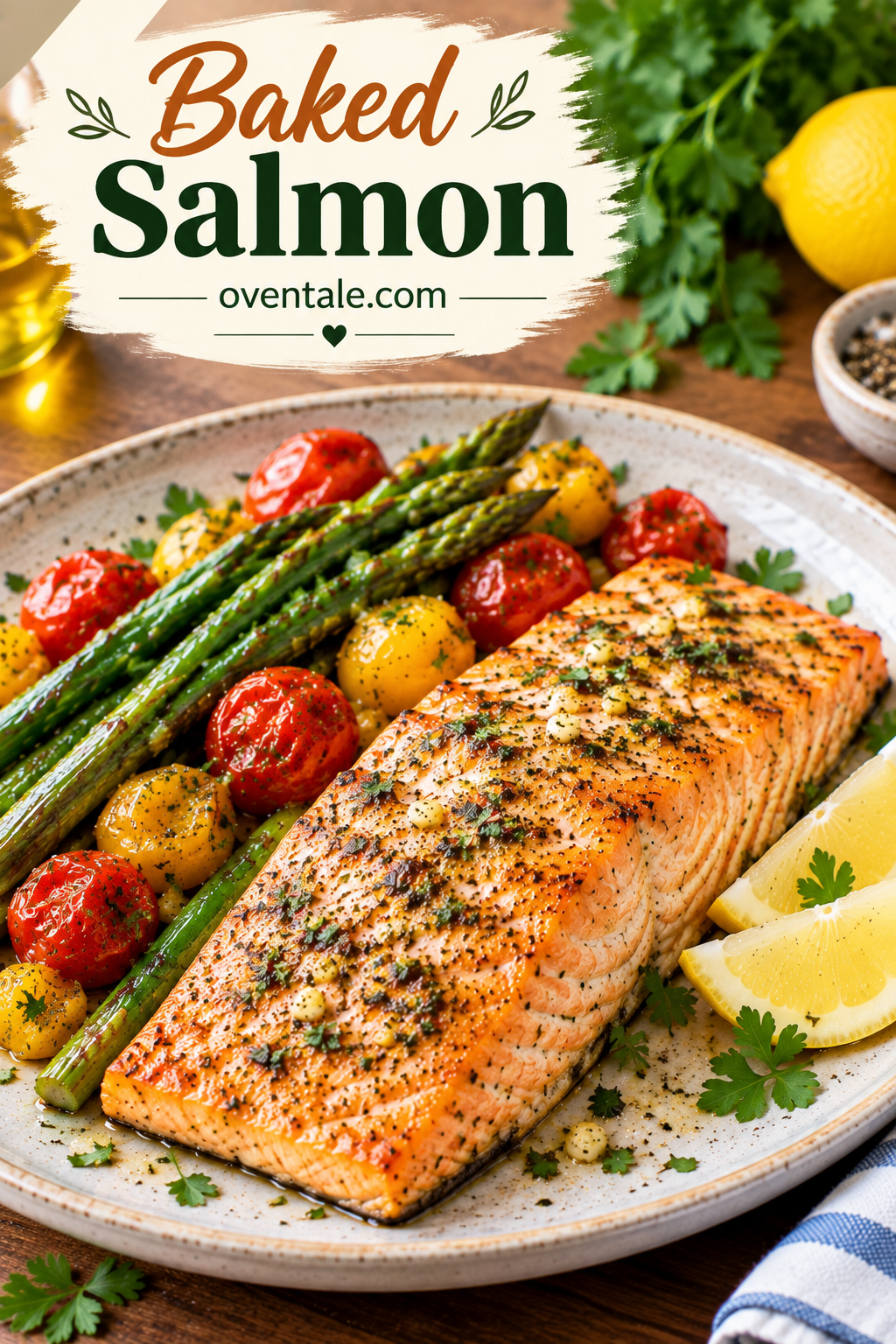
This Baked Salmon recipe has become one of my favorite ways to prepare salmon because it delivers so much flavor with very little effort. The combination of soy sauce, ginger, garlic, chili garlic sauce, Sriracha, honey, rice vinegar, and toasted sesame oil creates a delicious glaze that complements the rich, tender salmon perfectly.
I especially enjoy serving the salmon with ramen noodles, but steamed rice and roasted vegetables are equally delicious options. The recipe is also easy to customize, whether I want a sweeter honey glaze, extra ginger flavor, or a milder version for the whole family.
If I’m looking for an easy salmon dinner that feels flavorful, colorful, and satisfying, this baked salmon recipe is one I return to again and again. With a few simple ingredients and a hot oven, I can have a delicious homemade dinner on the table without spending hours in the kitchen.
Recipe Summary
Baked Salmon is an easy Asian-inspired dinner featuring tender salmon fillets coated in a savory, sweet, spicy, and aromatic ginger-garlic glaze. I bake the salmon at 400°F (200°C) until perfectly cooked, then finish it with fresh green onions and optional sesame seeds and lime.
Prep Time: 10 minutes
Cook Time: 12–18 minutes
Total Time: 25–30 minutes
Servings: 4
Course: Dinner
Cuisine: Asian-inspired
Difficulty: Easy