Introduction, Ingredients & Kitchen Tools
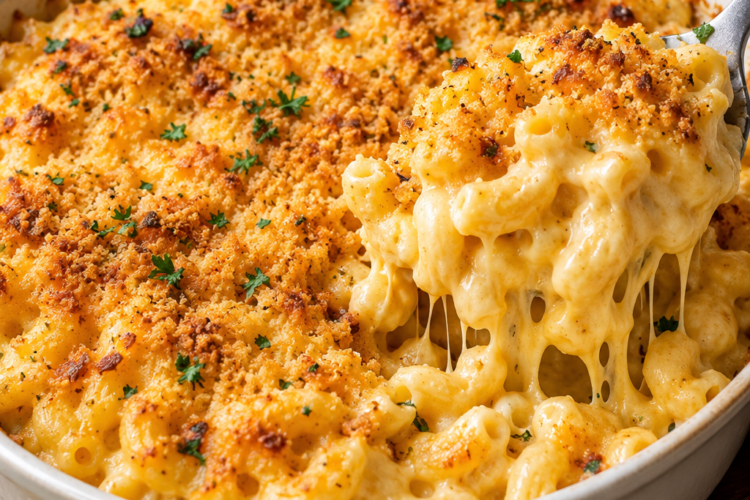
I love a good Macaroni and Cheese recipe because it is comforting, creamy, cheesy, and easy enough to make for a weeknight dinner. My version combines tender macaroni with a rich, smooth cheese sauce that coats every piece of pasta. It is the kind of dish I can serve as a satisfying main course or alongside roasted vegetables, chicken, or other favorite sides. With a few simple ingredients and the right technique, I can make homemade macaroni and cheese that tastes much better than a boxed version.

Quick Recipe Overview
- Prep Time: 15 minutes
- Cook Time: 25 minutes
- Total Time: 40 minutes
- Servings: 6
- Course: Main Course, Side Dish
- Cuisine: American
- Difficulty: Easy
Ingredients
For my homemade macaroni and cheese, I use simple ingredients that create a creamy, flavorful sauce and perfectly tender pasta.
- 8 ounces macaroni: I prefer elbow macaroni, but small shells, cavatappi, or another short pasta also works well.
- 2 tablespoons butter: This forms the flavorful base for the cheese sauce.
- 2 tablespoons all-purpose flour: I use flour to create a smooth roux that thickens the sauce.
- 2 cups whole milk: Whole milk gives the cheese sauce a rich and creamy texture.
- 1 cup heavy cream: I add cream for extra richness and a luxurious consistency.
- 2 cups shredded sharp cheddar cheese: Sharp cheddar provides the classic cheesy flavor I want in macaroni and cheese.
- 1 cup shredded Monterey Jack cheese: This melts beautifully and makes the sauce especially smooth.
- ½ cup shredded Parmesan cheese: Parmesan adds a savory, slightly nutty flavor.
- ½ teaspoon salt: I adjust the amount according to the saltiness of the cheeses.
- ½ teaspoon black pepper: This adds a gentle savory bite.
- ½ teaspoon garlic powder: I use it for extra depth of flavor.
- ¼ teaspoon paprika: Paprika adds mild warmth and a subtle color to the sauce.
- ½ teaspoon Dijon mustard: I find that a small amount helps bring out the flavor of the cheese.
- ½ cup breadcrumbs: These are optional, but I use them when I want a crispy baked topping.
- 2 tablespoons melted butter: I combine this with the breadcrumbs for a golden, crunchy topping.
Required Kitchen Tools
Having the right kitchen tools makes preparing homemade macaroni and cheese much easier. These are the tools I recommend having ready:
- Large Pot: I use a large pot to boil the macaroni until it is tender but still slightly firm.
- Colander: A colander makes it easy to drain the cooked pasta quickly.
- Large Saucepan: I prepare the creamy cheese sauce in a heavy-bottomed saucepan to help distribute the heat evenly.
- Whisk: A whisk is essential for combining the flour, butter, milk, and cream smoothly without lumps.
- Wooden Spoon or Silicone Spatula: I use this to stir the sauce and help prevent it from sticking to the bottom of the pan.
- Measuring Cups and Spoons: Accurate measurements help me achieve the right balance of pasta, dairy, seasonings, and cheese.
- Box Grater: Freshly shredded cheese melts more smoothly than many pre-shredded varieties, so I recommend grating the cheese myself.
- 9 × 13-inch Baking Dish: If I want baked macaroni and cheese, I transfer the prepared pasta to a baking dish before adding the breadcrumb topping.
- Oven Mitts: These are useful when transferring the hot baking dish in and out of the oven.
With these tools ready, I can move smoothly from cooking the pasta to preparing the creamy cheese sauce and finishing the dish.

Choosing the Best Cheese
For the best homemade macaroni and cheese, I like combining cheeses rather than relying on only one variety. Sharp cheddar gives me that familiar bold cheese flavor, while Monterey Jack melts into a smooth and creamy sauce. Parmesan adds another layer of savory flavor.
I recommend shredding the cheese directly from a block whenever possible. Freshly grated cheese generally melts more evenly and gives the finished sauce a smoother texture.
Cooking the Macaroni & Making the Cheese Sauce
Now that I have my ingredients and kitchen tools ready, I can start preparing the two main components of this Macaroni and Cheese Recipe: the pasta and the creamy homemade cheese sauce. I pay close attention to the pasta texture and sauce consistency because these two steps make the biggest difference in the finished dish.
Cooking the Macaroni
- Bring the Water to a Boil:
I fill a large pot with plenty of water and bring it to a rolling boil over high heat. Once the water is boiling, I add a generous pinch of salt. - Cook the Pasta:
I add the 8 ounces of macaroni to the boiling water and stir it occasionally so the pieces do not stick together. I cook the pasta according to the package directions, but I stop when it is al dente, meaning tender but still slightly firm in the center. - Drain the Pasta:
Once cooked, I drain the macaroni in a colander. I avoid overcooking it because the pasta will continue cooking slightly when combined with the hot cheese sauce and, if desired, baked in the oven. - Set Aside:
I let the drained macaroni sit while I prepare the cheese sauce. I don’t rinse the pasta because the natural starch on the surface helps the sauce cling to the macaroni.
Making the Creamy Cheese Sauce
The cheese sauce is the heart of my macaroni and cheese. I make a simple butter-and-flour roux first, then gradually add the milk and cream before incorporating the cheeses.
- Melt the Butter:
I place a large saucepan over medium heat and add 2 tablespoons of butter. I let it melt completely without allowing it to brown. - Make the Roux:
I sprinkle in 2 tablespoons of all-purpose flour and immediately whisk the mixture. I continue whisking for about 1–2 minutes until the flour is fully incorporated and the mixture becomes smooth. - Add the Milk and Cream:
I gradually pour in the 2 cups of whole milk while whisking continuously. Then I add the 1 cup of heavy cream. Adding the liquids slowly helps me create a smooth sauce without lumps. - Simmer Until Thickened:
I continue cooking the mixture over medium heat, whisking frequently. After several minutes, the sauce begins to thicken. I know it is ready when it lightly coats the back of a spoon. - Add the Seasonings:
I stir in the salt, black pepper, garlic powder, paprika, and Dijon mustard. I mix everything well so the seasonings are evenly distributed throughout the sauce.
Adding the Cheese
Once the cream sauce has thickened, I reduce the heat to low. I add the shredded cheddar, Monterey Jack, and Parmesan gradually, stirring after each addition.
I avoid adding all the cheese at once because gradual addition helps it melt evenly into the sauce. I continue stirring until the cheese is completely melted and the sauce becomes glossy, smooth, and creamy.
If the sauce seems too thick, I can loosen it with a small splash of warm milk. If it seems too thin, I allow it to cook gently for another minute or two while stirring.
Combining the Pasta and Cheese Sauce
Once my cheese sauce is smooth, I add the cooked macaroni directly to the saucepan. Using a wooden spoon or silicone spatula, I gently fold the pasta into the sauce.
I make sure every piece of macaroni is thoroughly coated. At this stage, the macaroni and cheese is already creamy and delicious and can be served immediately.
For an extra-special baked version, however, I transfer the cheesy macaroni to a baking dish and finish it with a crisp breadcrumb topping.
Assembling, Baking & Creating the Crispy Topping
At this point, my macaroni is coated in a rich, creamy cheese sauce. I can serve it straight from the saucepan, but I especially enjoy turning it into baked macaroni and cheese with a golden, crunchy topping. Baking gives the dish another layer of texture while keeping the center wonderfully creamy.
Preparing the Macaroni and Cheese for Baking
- Preheat the Oven:
I preheat my oven to 375°F (190°C) so it is ready when the macaroni is assembled. - Transfer the Pasta:
I spoon the creamy macaroni and cheese into a lightly greased 9 × 13-inch baking dish. I spread it into an even layer so the pasta cooks and browns consistently. - Prepare the Breadcrumb Topping:
In a small bowl, I combine the ½ cup breadcrumbs with 2 tablespoons melted butter. I stir until the breadcrumbs are evenly coated. - Add the Topping:
I sprinkle the buttery breadcrumbs evenly over the surface of the macaroni and cheese. I make sure not to pack them down because a loose layer gives me a lighter, crispier topping.
Baking the Macaroni and Cheese
I place the baking dish in the preheated oven and bake it for approximately 15–20 minutes.
I watch the dish closely toward the end of baking. I want the cheese underneath to be bubbling around the edges and the breadcrumb topping to become lightly golden brown.
For an even deeper golden finish, I can switch the oven to broil for the final 1–2 minutes, keeping a close eye on it so the breadcrumbs do not burn.
How I Keep the Macaroni and Cheese Creamy
One of the most important things I consider when making baked macaroni and cheese is moisture. Pasta absorbs sauce as it cooks, so I make sure my cheese sauce is slightly looser before baking than I would want for stovetop macaroni and cheese.
I also avoid overbaking. Once the topping is golden and the edges are bubbling, I remove the dish from the oven. Overbaking can cause the sauce to become dry or greasy.
Letting It Rest
After removing the baking dish from the oven, I let the macaroni and cheese rest for about 5 minutes before serving.
This short resting period allows the sauce to settle while the topping stays crisp. It also makes the macaroni easier to scoop and serve without the cheese sauce running all over the plate.
Optional Extra-Cheesy Finish
If I want an even cheesier macaroni and cheese, I sometimes sprinkle an additional handful of shredded cheddar or Monterey Jack over the pasta before adding the breadcrumbs.
This creates a delicious melted cheese layer beneath the crunchy topping. I especially like this variation when I’m serving the dish for a family dinner or gathering.
Stovetop Macaroni and Cheese Option
If I don’t want to bake the macaroni and cheese, I simply skip the baking steps. After combining the cooked macaroni with the creamy cheese sauce, I let it warm over low heat for another minute or two and serve it immediately.
The stovetop version is especially convenient when I want a quick and creamy dinner without waiting for the oven.
Serving Suggestions
I love serving macaroni and cheese while it is still warm and creamy. It works beautifully as a comforting main dish, but it can also be served as a side.
Some of my favorite pairings include:
- Roasted chicken: The creamy pasta pairs wonderfully with tender roasted chicken.
- Grilled vegetables: Broccoli, zucchini, peppers, and asparagus add freshness and color.
- Green salad: A crisp salad balances the richness of the cheese sauce.
- Roasted or steamed broccoli: The combination of broccoli and cheddar is always a favorite.
- Grilled chicken: A simple grilled chicken breast makes this a satisfying complete meal.
- Garlic bread: I enjoy the contrast between the crispy bread and creamy macaroni.
Toppings, Storage, Reheating, Tips & Conclusion
Suggested Toppings and Add-Ins
Although I love classic macaroni and cheese just as it is, I can easily customize it with different toppings and mix-ins. Here are some of my favorite options:
- Extra shredded cheddar: I add a little more cheese on top for an extra-rich finish.
- Crispy breadcrumbs: Buttery breadcrumbs provide a delicious contrast to the creamy pasta.
- Crushed crackers: Crushed buttery crackers make a simple alternative to traditional breadcrumbs.
- Cooked bacon: Crispy chopped bacon adds a smoky, savory flavor.
- Chopped parsley: Fresh parsley gives the finished dish a bright pop of color.
- Jalapeños: I add sliced or finely chopped jalapeños when I want a little heat.
- Cooked broccoli: Broccoli makes the dish more substantial while adding vegetables.
- Pulled chicken: Adding cooked chicken turns macaroni and cheese into a hearty one-dish meal.
My Best Tips for Creamy Macaroni and Cheese
I follow a few simple techniques whenever I make homemade macaroni and cheese.
Don’t Overcook the Pasta:
I cook the macaroni just until al dente. Mushy pasta can make the finished dish soft and heavy.
Shred the Cheese Myself:
I prefer freshly shredded cheese because it melts smoothly into the sauce.
Add Cheese Over Low Heat:
I reduce the heat before adding the cheese. Very high heat can cause the cheese sauce to become grainy or separate.
Whisk the Roux Well:
When making the butter-and-flour mixture, I whisk continuously and gradually add the milk. This helps prevent lumps.
Don’t Overbake:
I bake only until the top is golden and the cheese is bubbling. Too much time in the oven can dry out the macaroni.
Taste Before Serving:
I always taste the cheese sauce before combining it with the pasta and adjust the salt and pepper if necessary.
Storage Instructions
If I have leftover macaroni and cheese, I allow it to cool slightly before transferring it to an airtight container. I refrigerate it for up to 3–4 days.
I recommend storing the pasta in individual portions when possible. This makes reheating quick and convenient.
How I Reheat Macaroni and Cheese
For the best texture, I prefer reheating macaroni and cheese gently.
Stovetop:
I place the leftovers in a saucepan over low to medium-low heat. I add a splash of milk and stir frequently until the pasta is heated through and creamy again.
Microwave:
For a quick option, I place a serving in a microwave-safe bowl and heat it in short intervals, stirring between each one. A splash of milk helps restore some of the creaminess.
Oven:
For a larger portion, I place the macaroni and cheese in an oven-safe dish, cover it loosely with foil, and warm it at 350°F (175°C) until heated through.
Freezing Macaroni and Cheese
I can also freeze macaroni and cheese, although I prefer eating it fresh because the sauce can change texture after freezing and thawing.
If I freeze it, I portion the cooled macaroni and cheese into freezer-safe containers and seal them tightly. I use it within about 2 months for the best quality.
When I’m ready to eat it, I thaw it in the refrigerator and reheat it gently with a little milk. Stirring occasionally helps bring the sauce back together.
Frequently Asked Questions
Can I use a different type of pasta?
Yes. I can use shells, cavatappi, penne, rotini, or other short pasta shapes. Shapes with ridges or curves are especially good at holding onto the creamy cheese sauce.
Why did my cheese sauce become grainy?
This can happen when cheese is exposed to excessive heat or when it is added too quickly. I keep the heat low when adding the cheese and stir gently until it melts.
Can I make macaroni and cheese ahead of time?
Yes. I can assemble the dish ahead of time, cover it, and refrigerate it. Before baking, I let it sit at room temperature briefly and then bake until hot and bubbling.
Can I make this recipe without breadcrumbs?
Absolutely. Breadcrumbs are optional. The macaroni and cheese is delicious with a simple melted cheese topping or without any topping at all.
What cheese is best for macaroni and cheese?
I particularly like sharp cheddar combined with Monterey Jack and Parmesan. However, Gruyère, mozzarella, Colby, or mild cheddar can also be incorporated depending on the flavor and texture I want.
Conclusion
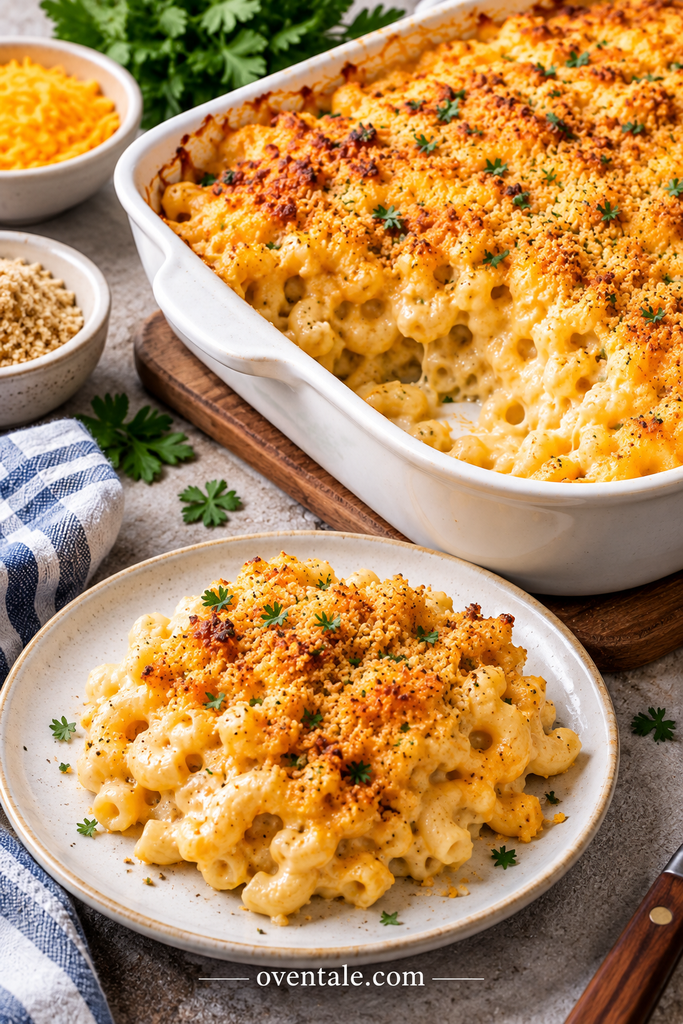
Making homemade Macaroni and Cheese is one of my favorite ways to create a comforting meal from simple ingredients. The combination of tender macaroni, a smooth homemade cheese sauce, and a golden breadcrumb topping makes every bite rich, creamy, and satisfying.
I find that the most important steps are cooking the pasta until al dente, making a smooth roux, adding the cheese over gentle heat, and avoiding overbaking. Once I have mastered those techniques, I can easily customize the recipe with different cheeses, vegetables, meats, or toppings.
Whether I serve it as a quick stovetop dinner or bake it until golden and bubbling, this homemade macaroni and cheese is a comforting recipe that works beautifully for family meals, holidays, gatherings, and cozy nights at home.