
This easy Beef Chili is a hearty, flavorful comfort food that I love making when I want something satisfying without spending hours in the kitchen. I combine tender ground beef with aromatic garlic and ginger, savory soy sauce, chili garlic sauce, Sriracha, and a touch of sweetness for a bold, balanced flavor. Rice vinegar and toasted sesame oil add brightness and depth, while ramen noodles make this chili-inspired dish especially filling.
It comes together quickly in one pan, making it a practical choice for busy weeknights. I also love how easy it is to adjust the spice level depending on who I’m serving. If you enjoy spicy, savory, slightly sweet meals with plenty of flavor, this Beef Chili is definitely worth adding to your dinner rotation.

Quick Recipe Overview
- Prep Time: 10 minutes
- Cook Time: 20–25 minutes
- Total Time: 30–35 minutes
- Servings: 4
- Course: Dinner
- Cuisine: Asian-inspired American
- Difficulty: Easy
Ingredients
For this Beef Chili recipe, I use simple ingredients that create a surprisingly rich and satisfying flavor.
- 8 ounces ramen noodles: I use plain ramen noodles and discard the seasoning packets. They provide a hearty base for the beef and sauce.
- 1 pound ground beef: Ground beef gives the dish its rich, meaty flavor. I prefer lean or moderately lean beef so the finished dish isn’t excessively greasy.
- ⅓ cup chopped green onion: I use the white and light green portions for a fresh, mildly oniony flavor.
- 1 tablespoon fresh grated ginger: Fresh ginger adds warmth and a fragrant, slightly spicy note.
- 1 tablespoon minced garlic: Garlic gives the beef mixture a deep savory flavor.
- 1 tablespoon oil: I use a neutral cooking oil for browning the beef and sautéing the aromatics.
- ¼ cup low-sodium soy sauce or tamari: This adds savory umami flavor while seasoning the beef and noodles.
- 2 tablespoons chili garlic sauce: I use this for heat, garlic flavor, and a little texture.
- 1 tablespoon Sriracha: Sriracha brings extra heat and a slightly tangy chili flavor. I adjust the amount depending on my preference.
- 1 tablespoon honey, maple syrup, or brown sugar: A small amount of sweetness balances the spicy and salty ingredients.
- 1 tablespoon rice vinegar: Rice vinegar adds acidity and keeps the sauce from tasting too heavy.
- 2 teaspoons toasted sesame oil: I add this toward the end for its distinctive nutty aroma.
- ½ teaspoon red pepper flakes: These provide another layer of heat. I reduce or omit them when making a milder version.
Optional Garnishes
Although the ingredients above create a flavorful meal on their own, I sometimes add a few simple toppings before serving:
- Extra sliced green onions
- Toasted sesame seeds
- Fresh cilantro
- Thinly sliced red chili
- A drizzle of Sriracha
- Crushed peanuts for extra crunch
Why I Love This Beef Chili
There are several reasons this recipe has become one of my favorite quick dinner ideas:
- Quick and easy: I can have a satisfying meal on the table in about 30 minutes.
- Big flavor: Soy sauce, chili garlic sauce, ginger, garlic, and sesame oil create layers of savory, spicy, and aromatic flavor.
- Easy to customize: I can increase or decrease the heat depending on my taste.
- Budget-friendly: Ground beef and ramen noodles make this an affordable meal for the whole family.
- One-pan friendly: After cooking the noodles separately, most of the flavorful beef mixture comes together in one skillet.
- Perfect for weeknights: I don’t need complicated ingredients or advanced cooking techniques.
Required Kitchen Tools
Having the right kitchen tools makes preparing this Beef Chili much easier. I recommend having these essentials ready before I start cooking:
- Large Skillet or Frying Pan: I use a large skillet to brown the beef and combine it with the flavorful sauce.
- Large Pot: A pot is needed to cook the ramen noodles until tender.
- Wooden Spoon or Spatula: I use this to break the ground beef into small pieces while it cooks.
- Measuring Cups and Spoons: Accurate measurements help me maintain the right balance between salty, spicy, sweet, and acidic flavors.
- Fine Grater: I use a fine grater for freshly grated ginger.
- Colander: This makes draining the cooked ramen noodles quick and easy.
- Tongs: Tongs help me toss the noodles with the beef and sauce without breaking them.
Having these tools ready allows me to move smoothly from preparation to cooking without interruptions.
Preparing the Beef Chili
Now that I have all my ingredients and kitchen tools ready, I move on to cooking the beef and building the flavorful chili sauce. The key is to brown the beef well and give the garlic and ginger enough time to become fragrant without burning.
Preparing the Beef
I start by heating a large skillet over medium-high heat. Once the skillet is hot, I add 1 tablespoon of oil.
I add the ground beef and immediately use a wooden spoon or spatula to break it into small pieces. I cook the beef for about 6–8 minutes, stirring occasionally, until it is nicely browned and completely cooked through.
If there is a large amount of excess grease in the skillet, I carefully drain some of it before continuing. I like to leave a small amount behind because it helps carry the flavors of the seasonings.
Adding the Aromatics
Once the beef is browned, I add the chopped green onion, grated fresh ginger, and minced garlic.
I stir everything together and cook for approximately 1–2 minutes. I keep stirring so the garlic and ginger become fragrant without becoming overly browned.
At this point, the kitchen starts to smell incredibly savory and aromatic, which is a good indication that the flavor base is developing nicely.
Making the Chili Sauce
Next, I lower the heat slightly and add the ingredients that give this Beef Chili its signature sweet, spicy, and savory flavor.
I stir in:
- ¼ cup low-sodium soy sauce or tamari
- 2 tablespoons chili garlic sauce
- 1 tablespoon Sriracha
- 1 tablespoon honey, maple syrup, or brown sugar
- 1 tablespoon rice vinegar
- 2 teaspoons toasted sesame oil
- ½ teaspoon red pepper flakes
I mix everything thoroughly with the beef until the sauce coats the meat evenly.
The combination of soy sauce and chili garlic sauce gives me a deep savory flavor, while Sriracha and red pepper flakes add heat. The honey, maple syrup, or brown sugar provides just enough sweetness to balance the spice, and rice vinegar adds a bright finishing note.
Simmering the Beef Mixture
I let the seasoned beef mixture cook over medium-low heat for about 3–5 minutes, stirring occasionally.
This short simmer gives the ingredients time to blend together. I don’t want the sauce to become completely dry, so if it thickens too quickly, I can add a small splash of water.
I taste the mixture at this stage and adjust the seasoning if necessary. If I want more heat, I add a little extra Sriracha or red pepper flakes. If the flavor is too spicy, a small additional amount of honey or maple syrup can help balance it.
Cooking the Ramen Noodles
While the beef mixture is cooking, I bring a large pot of water to a boil.
I add the ramen noodles and cook them according to the package directions, usually for just a few minutes. I avoid overcooking them because I want the noodles to remain pleasantly chewy when they are combined with the hot beef mixture.
Once the noodles are tender, I drain them well in a colander.
I don’t use the seasoning packets that come with the ramen because the Beef Chili already gets plenty of flavor from the soy sauce, chili garlic sauce, ginger, garlic, and other seasonings.
Combining the Noodles and Beef
After draining the noodles, I add them directly to the skillet with the seasoned beef.
Using tongs, I gently toss the noodles with the beef and sauce until everything is evenly coated.
I cook the mixture together for another 1–2 minutes over low heat. This allows the noodles to absorb some of the flavorful sauce while remaining tender.
I make sure every strand of ramen is coated with the savory beef mixture before removing the skillet from the heat.
Serving and Flavor Tips
Once my Beef Chili is cooked and the ramen noodles are thoroughly coated with the savory beef mixture, I’m ready to finish and serve it. This is where I can add a few simple touches to make the dish even more appealing.
Final Seasoning
Before serving, I give the Beef Chili one final taste.
I check the balance of salt, sweetness, acidity, and heat. Because soy sauce and chili garlic sauce can vary in intensity, tasting at the end helps me make small adjustments.
If I want more spice, I add a little extra Sriracha or red pepper flakes. For a slightly sweeter flavor, I add a small drizzle of honey or maple syrup. If the dish tastes too rich, a tiny splash of rice vinegar helps brighten it.
I like to finish with a little extra toasted sesame oil only if the sesame flavor needs a boost. Since sesame oil is quite aromatic, I use it sparingly.
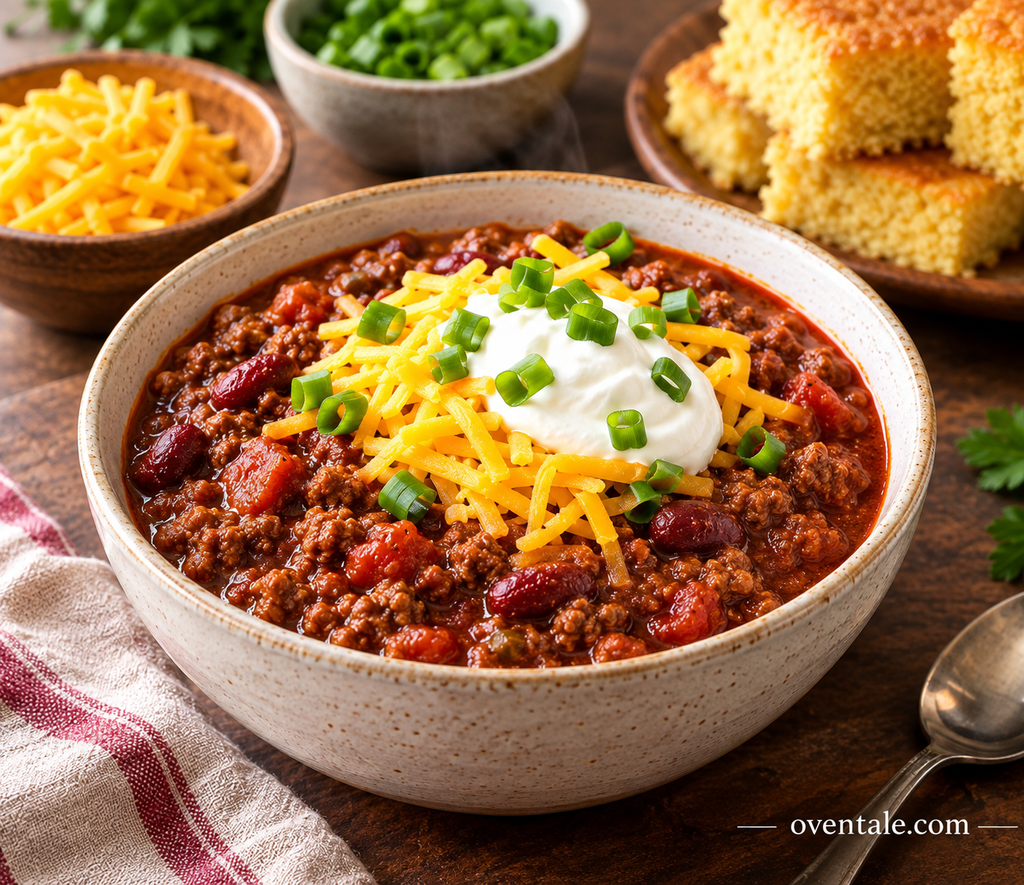
How I Serve Beef Chili
I divide the Beef Chili and ramen noodles among four serving bowls while everything is still hot.
I like to garnish each bowl with freshly sliced green onions. The fresh onions add color and a crisp texture that contrasts nicely with the tender noodles and beef.
For an extra flavorful presentation, I can also sprinkle over:
- Toasted sesame seeds
- Fresh cilantro
- Thinly sliced red chili
- A small drizzle of Sriracha
- Crushed peanuts
I serve the dish immediately because the noodles are at their best while they are hot and freshly coated with sauce.
Tips for the Best Beef Chili
Over time, I’ve found a few simple techniques that make this recipe even better.
Brown the Beef Properly
I avoid overcrowding the skillet when browning the beef. Good contact with the hot pan helps the meat develop a deeper, more savory flavor instead of simply steaming.
Use Fresh Ginger and Garlic
Freshly grated ginger and freshly minced garlic make a noticeable difference. They provide a much brighter aroma and flavor than dried alternatives.
Don’t Overcook the Noodles
I cook the ramen just until tender. Since the noodles are tossed with the hot beef mixture afterward, cooking them too long can make them soft and mushy.
Adjust the Heat
I don’t consider the amount of Sriracha and red pepper flakes completely fixed. If I’m cooking for someone who prefers mild food, I reduce them. For a spicy Beef Chili, I can increase them gradually.
Taste Before Serving
I always taste the sauce before serving. This lets me adjust the sweet, salty, spicy, and acidic flavors so the finished dish tastes balanced.
Easy Variations
One of my favorite things about this Beef Chili recipe is how easy it is to customize.
Vegetable Beef Chili
I can add vegetables such as sliced bell peppers, shredded carrots, mushrooms, or broccoli. I sauté firmer vegetables with the beef or cook them separately before combining everything.
Extra-Spicy Beef Chili
For a hotter version, I increase the Sriracha and red pepper flakes. Fresh sliced chili peppers also add plenty of heat and a vibrant garnish.
Sweeter Beef Chili
If I prefer a slightly sweeter sauce, I use brown sugar or add a little extra honey. The sweetness works especially well with the chili garlic sauce and soy sauce.
Nutty Beef Chili
For additional texture, I sprinkle toasted peanuts or sesame seeds over the finished bowls. The crunch provides a nice contrast to the soft noodles.
Make-Ahead Tip
I can prepare the beef mixture slightly ahead of time and keep it refrigerated until I’m ready to finish the meal. When it’s time to serve, I cook the ramen noodles fresh and combine them with the reheated beef.
This approach works particularly well when I want to make dinner preparation faster on a busy evening.
Storage, Reheating, and Conclusion
Storage Instructions
If I have leftovers, I allow the Beef Chili to cool slightly before transferring it to an airtight container. I then place it in the refrigerator.
For the best quality, I enjoy the leftovers within 3–4 days. The noodles may absorb some of the sauce as they sit, so I usually add a small splash of water when reheating.
I don’t leave cooked beef at room temperature for extended periods. Once the meal has cooled enough to handle, I refrigerate it promptly.
How I Reheat Beef Chili
When I’m ready to enjoy the leftovers, I transfer a portion to a skillet or microwave-safe bowl.
Stovetop Method
I place the Beef Chili in a skillet over medium-low heat and add a tablespoon or two of water. I stir occasionally until the beef and noodles are heated thoroughly.
Adding a little water helps loosen the sauce because the noodles naturally absorb some of the liquid during refrigeration.
Microwave Method
For a quicker option, I place the Beef Chili in a microwave-safe bowl and cover it loosely. I heat it in short intervals, stirring between each one, until it is heated evenly.
I avoid overheating the noodles because they can become soft when reheated for too long.
Can I Freeze Beef Chili?
I can freeze the cooked beef mixture, but I prefer not to freeze the ramen noodles because their texture can become softer after thawing and reheating.
If I want to freeze the meal, I prepare and freeze the beef and sauce separately in a freezer-safe airtight container. It can be stored for up to 2–3 months for best quality.
When I’m ready to eat it, I thaw the beef mixture safely in the refrigerator, reheat it thoroughly, and prepare fresh ramen noodles before combining everything.
Frequently Asked Questions
What type of beef is best for Beef Chili?
I prefer using lean or moderately lean ground beef. It provides plenty of beefy flavor while keeping the finished dish from becoming excessively greasy.
Can I make Beef Chili less spicy?
Yes. I can easily make this recipe milder by reducing or omitting the red pepper flakes and using less Sriracha and chili garlic sauce.
Can I use tamari instead of soy sauce?
Absolutely. I can substitute tamari for soy sauce. It provides a similar savory, umami-rich flavor and works especially well in this recipe.
Can I use another type of noodle?
Yes. While I use ramen noodles here, I can substitute another quick-cooking noodle if that’s what I have available. The sauce works well with several noodle varieties.
Can I add vegetables?
Definitely. Bell peppers, mushrooms, carrots, broccoli, spinach, and other vegetables can be added to make the meal more substantial and colorful.
How can I make the Beef Chili less salty?
I use low-sodium soy sauce and avoid adding additional salt until I’ve tasted the finished dish. If it still tastes too salty, adding more noodles or vegetables can help balance the overall flavor.
Recipe Summary
This Beef Chili is one of those recipes I can turn to when I want a quick dinner with bold flavor. The combination of ground beef, ramen noodles, garlic, ginger, soy sauce, chili garlic sauce, Sriracha, and toasted sesame oil creates a satisfying meal with savory, spicy, sweet, and tangy notes.
I especially love that I can customize the heat and add my favorite vegetables or toppings. The recipe is simple enough for a weeknight but flavorful enough to feel like something special.

Conclusion
Making this easy Beef Chili at home gives me a flavorful and satisfying dinner without requiring complicated cooking techniques. I start by browning the beef, build the sauce with garlic, ginger, soy sauce, chili garlic sauce, Sriracha, and a touch of sweetness, then toss everything with tender ramen noodles.
The result is a hearty bowl that’s packed with bold Asian-inspired flavors and plenty of comforting texture. I can keep it simple with green onions and sesame seeds or customize it with vegetables, fresh chili, cilantro, or crunchy peanuts.
Whether I’m preparing a quick weeknight dinner or looking for a flavorful way to use ground beef, this Beef Chili is an easy recipe I’ll happily make again.