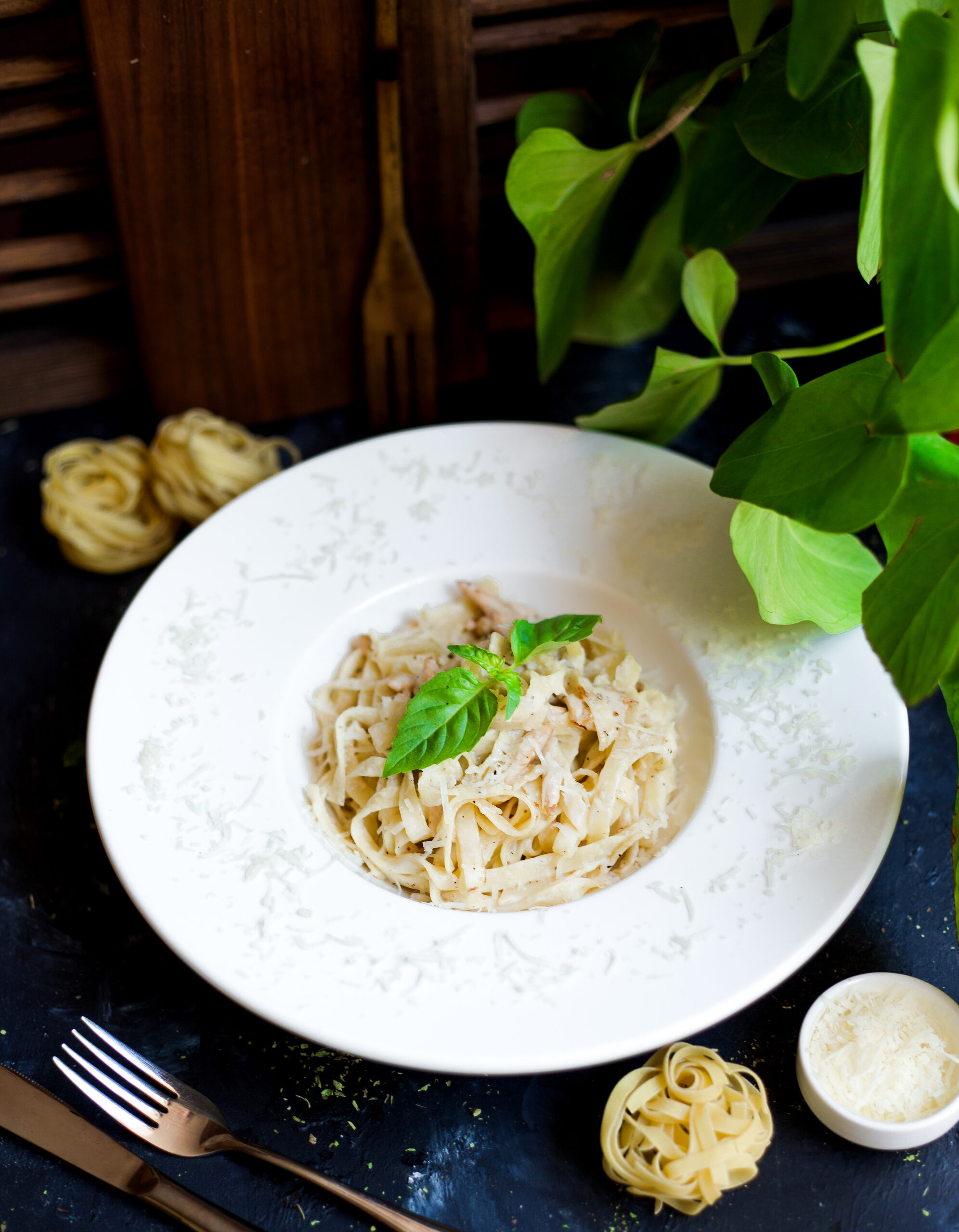
Introduction, Recipe Overview & Ingredients
Chicken Alfredo is one of my favorite comfort-food recipes when I want something creamy, satisfying, and easy to prepare. I love the combination of tender chicken, rich Alfredo sauce, and pasta because it creates a complete meal with simple ingredients and plenty of flavor. This recipe is especially useful for busy weeknights when I want a homemade dinner without spending hours in the kitchen.
I make my Chicken Alfredo with a creamy, savory sauce that coats the pasta beautifully, while the seasoned chicken adds protein and a deliciously hearty texture. The result is a comforting dish that feels restaurant-worthy but is simple enough to prepare at home.
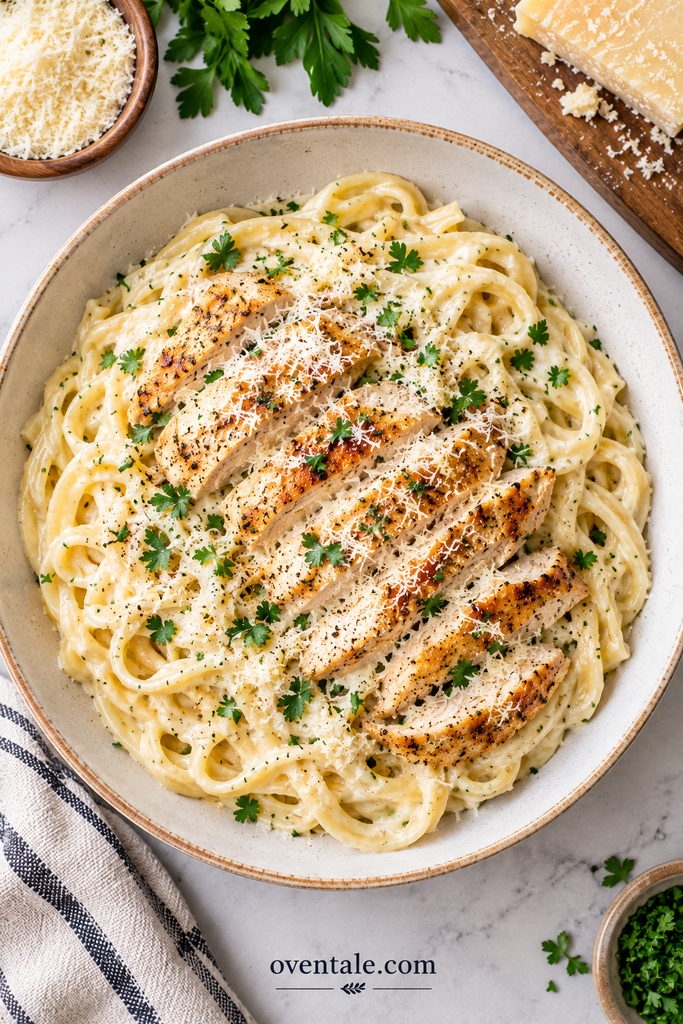
Quick Recipe Overview
- Prep Time: 15 minutes
- Cook Time: 25 minutes
- Total Time: 40 minutes
- Servings: 4
- Course: Main Course
- Cuisine: Italian-American
- Difficulty: Easy to Moderate
Why I Love This Chicken Alfredo Recipe
- Easy to make: I can prepare this comforting dinner with straightforward cooking steps.
- Creamy and flavorful: The Alfredo sauce creates a rich coating for every bite of pasta.
- Perfect for busy nights: I can have a satisfying homemade meal ready in about 40 minutes.
- Family-friendly: The creamy sauce and tender chicken make this a dish that appeals to both kids and adults.
- Easy to customize: I can add vegetables, herbs, extra cheese, or adjust the seasoning according to my taste.
- Great for leftovers: The finished Chicken Alfredo can be refrigerated and enjoyed again the next day.
Ingredients for Chicken Alfredo

For the Chicken
- 500 g boneless, skinless chicken breasts — I use chicken breasts because they cook quickly and provide tender, hearty pieces throughout the pasta.
- 1 tablespoon olive oil — This helps me sear the chicken and prevents it from sticking to the pan.
- ½ teaspoon salt — I use salt to season the chicken and bring out its natural flavor.
- ½ teaspoon black pepper — Freshly ground black pepper adds a mild, savory bite.
- ½ teaspoon garlic powder — I like adding garlic powder to give the chicken an extra layer of flavor.
- ½ teaspoon Italian seasoning — This adds a pleasant blend of dried herbs that works beautifully with Alfredo sauce.
For the Alfredo Sauce
- 2 tablespoons butter — Butter forms the rich base of my creamy Alfredo sauce.
- 3 cloves garlic, minced — Fresh garlic gives the sauce a warm and aromatic flavor.
- 2 cups heavy cream — Heavy cream creates the smooth, luxurious texture that makes Alfredo sauce so delicious.
- 1 cup freshly grated Parmesan cheese — Parmesan provides the signature salty, nutty flavor and helps thicken the sauce.
- ½ teaspoon salt, or to taste — I adjust the salt after adding the Parmesan because the cheese already contains salt.
- ¼ teaspoon black pepper — This adds subtle warmth without overpowering the creamy sauce.
- ¼ teaspoon Italian seasoning — A small amount of herbs balances the richness of the sauce.
For the Pasta
- 340 g fettuccine pasta — I prefer fettuccine because its wide shape holds onto the creamy Alfredo sauce particularly well.
- ½ cup reserved pasta water — I always save some pasta water because its starch helps loosen and emulsify the sauce when needed.
For Finishing
- 2 tablespoons chopped fresh parsley — Fresh parsley adds color and a light herbal freshness.
- ¼ cup freshly grated Parmesan cheese — I like sprinkling additional Parmesan over the finished Chicken Alfredo before serving.
Required Kitchen Tools
Having the right kitchen tools makes preparing Chicken Alfredo much easier. These are the tools I typically use:
- Large pot: I use a large pot to cook the fettuccine evenly without overcrowding it.
- Large skillet: A wide skillet gives me enough space to cook the chicken and prepare the Alfredo sauce.
- Tongs: Tongs make it easy for me to turn the chicken and toss the pasta with the sauce.
- Wooden spoon or silicone spatula: I use this to stir the sauce gently and prevent it from sticking.
- Colander: A colander makes draining the pasta quick and convenient.
- Measuring cups and spoons: Accurate measurements help me maintain the right balance of cream, butter, cheese, and seasonings.
- Kitchen thermometer: I use one when needed to check that the chicken reaches a safe internal temperature.
Preparing the Chicken
I start by preparing the chicken because I want it to have plenty of flavor before it meets the creamy Alfredo sauce.
First, I pat the chicken breasts dry with paper towels. Then I season both sides evenly with salt, black pepper, garlic powder, and Italian seasoning.
I heat olive oil in a large skillet over medium-high heat. Once the oil is hot, I place the seasoned chicken into the skillet and cook it until the outside is golden brown and the chicken is cooked through.
I avoid cutting into the chicken too early because allowing it to sear undisturbed helps develop better browning and flavor. Once cooked, I transfer the chicken to a clean plate and let it rest for a few minutes.
After resting, I slice the chicken into bite-sized pieces or thin strips. I keep it nearby while I prepare the creamy Alfredo sauce.
Making the Alfredo Sauce & Cooking the Pasta
Now that I have prepared the chicken, I move on to the two components that bring this recipe together: the pasta and my creamy Alfredo sauce. I like preparing them close together so the pasta is still warm when I combine everything.
Cooking the Fettuccine
I bring a large pot of generously salted water to a rolling boil. Once the water is boiling, I add the fettuccine and cook it according to the package directions until it reaches an al dente texture.
I avoid overcooking the pasta because I want it to retain a little bite and hold its shape when tossed with the creamy sauce.
Before draining the pasta, I reserve about ½ cup of pasta water. This is an important step because I can use the starchy water to loosen the Alfredo sauce and help it cling smoothly to the noodles.
I drain the fettuccine and set it aside. I don’t rinse it because the natural starch on the pasta helps the sauce adhere to it.
Making the Creamy Alfredo Sauce
I use the same skillet that I cooked the chicken in because the browned bits left behind add extra savory flavor to the sauce.
I reduce the heat to medium and add the butter. Once it melts, I add the minced garlic and cook it for about 30–60 seconds, stirring constantly. I want the garlic to become fragrant without letting it brown too much.
Next, I slowly pour in the heavy cream while stirring. I let the mixture gently simmer for several minutes. I avoid bringing it to a rapid boil because gentle heat helps keep the sauce smooth and creamy.
Once the cream has warmed and slightly reduced, I add the Italian seasoning, black pepper, and a little salt.
Adding the Parmesan Cheese
This is my favorite part of making Alfredo sauce.
I gradually add the freshly grated Parmesan cheese while stirring continuously. I find that freshly grated Parmesan melts more smoothly than pre-shredded cheese, giving the sauce a much creamier texture.
I continue stirring over low to medium-low heat until the cheese melts completely and the sauce becomes thick, smooth, and glossy.
If the sauce becomes too thick, I add a small splash of the reserved pasta water and stir until I reach the consistency I want.
I prefer my Alfredo sauce to be creamy enough to coat the back of a spoon but still loose enough to spread easily through the pasta.
Combining the Pasta and Alfredo Sauce
Once my Alfredo sauce is ready, I add the cooked fettuccine directly to the skillet.
Using tongs, I gently toss the pasta through the sauce. I make sure every strand is coated evenly with the creamy Parmesan mixture.
If needed, I add a little more reserved pasta water, one tablespoon at a time. This helps create a silky sauce that coats the noodles instead of becoming too thick or clumpy.
I continue tossing for about 1–2 minutes over low heat.
Adding the Chicken
Finally, I add my sliced cooked chicken to the skillet.
I gently fold the chicken into the pasta and Alfredo sauce, making sure the pieces are distributed throughout the dish. I let everything warm together for another 1–2 minutes so the chicken absorbs some of the creamy sauce.
At this point, I taste the Chicken Alfredo and adjust the seasoning if necessary. I may add a little more black pepper, Parmesan, or salt depending on how rich and savory I want the finished dish to be.
The finished pasta should look creamy and glossy, with tender chicken pieces throughout and enough Alfredo sauce to generously coat every strand.
My Tips for the Best Chicken Alfredo
- I always use freshly grated Parmesan for the smoothest sauce.
- I cook the pasta al dente so it doesn’t become mushy after being tossed with the sauce.
- I keep the Alfredo sauce at a gentle simmer rather than boiling it aggressively.
- I reserve pasta water because it gives me an easy way to adjust the sauce consistency.
- I let the chicken rest briefly before slicing so it stays juicy.
- I add Parmesan gradually rather than dumping it all in at once.
- I serve the Chicken Alfredo while it’s hot because the sauce naturally thickens as it cools.
Serving, Garnishing, Variations & Helpful Tips
Once everything is combined, my Chicken Alfredo is ready to serve. I like to finish it simply because the creamy Parmesan sauce and seasoned chicken already provide plenty of flavor.

Serving Chicken Alfredo
I transfer the creamy pasta to warm serving plates or shallow bowls. I make sure each serving gets a generous amount of chicken and Alfredo sauce.
For a fresh finishing touch, I sprinkle chopped parsley over the top and add a little freshly grated Parmesan cheese. A light dusting of black pepper also adds a nice contrast to the creamy sauce.
I recommend serving Chicken Alfredo immediately while the sauce is warm and silky. As it sits, the sauce naturally becomes thicker, so serving it right away gives me the best texture.
What to Serve with Chicken Alfredo
Although Chicken Alfredo is filling enough to serve as a complete meal, I sometimes pair it with a simple side dish.
Some of my favorite options include:
- Garlic bread: I love using crispy garlic bread to soak up any extra Alfredo sauce.
- Green salad: A fresh salad adds a light, crisp contrast to the rich pasta.
- Steamed broccoli: The freshness of broccoli works particularly well with the creamy sauce.
- Roasted vegetables: Roasted zucchini, asparagus, or bell peppers add color and texture.
- Dinner rolls: Soft rolls are another easy option for serving alongside the pasta.
Easy Chicken Alfredo Variations
One reason I enjoy making Chicken Alfredo is that I can easily change it depending on what I have in my kitchen.
Broccoli Chicken Alfredo
I add steamed or lightly sautéed broccoli to the finished pasta. The broccoli adds color, texture, and a fresh vegetable element to the creamy dish.
Mushroom Chicken Alfredo
For extra savory flavor, I sauté sliced mushrooms in butter before preparing the sauce. Once they’re golden and tender, I continue with the Alfredo sauce.
Spinach Chicken Alfredo
I stir a few handfuls of fresh baby spinach into the warm Alfredo sauce. The residual heat gently wilts the spinach without requiring much additional cooking.
Cajun Chicken Alfredo
For a spicier version, I season the chicken with Cajun seasoning before searing it. The smoky, slightly spicy chicken creates a delicious contrast with the creamy Parmesan sauce.
Garlic Parmesan Chicken Alfredo
If I want an especially garlicky dish, I increase the amount of fresh garlic slightly and finish the pasta with additional Parmesan and freshly cracked black pepper.
My Best Tips for Creamy Chicken Alfredo
Don’t overcook the chicken: I cook the chicken just until it reaches a safe internal temperature. Overcooking can make the chicken dry and tough.
Use freshly grated cheese: Fresh Parmesan melts more easily and gives the Alfredo sauce a smoother texture.
Keep the heat moderate: High heat can cause the cream and cheese sauce to become oily or separate. I prefer gentle heat when making Alfredo.
Don’t skip the pasta water: Even if my sauce looks perfect initially, a splash of starchy pasta water can help create the ideal consistency once the pasta is added.
Taste before serving: Parmesan is naturally salty, so I always taste the finished sauce before adding more salt.
Serve immediately: Alfredo sauce thickens as it cools. Serving the pasta while it’s hot gives me the creamiest texture.
Common Mistakes to Avoid
There are a few mistakes I try to avoid when making Chicken Alfredo.
- Using too much heat: Boiling the cream aggressively can affect the texture of the sauce.
- Adding Parmesan too quickly: I add it gradually while stirring so it melts evenly.
- Overcooking the pasta: Soft, overcooked pasta can become even softer when mixed with hot sauce.
- Skipping the resting time for chicken: Giving the chicken a few minutes to rest helps retain its juices.
- Making the sauce too thick: If the Alfredo becomes overly thick, I loosen it with reserved pasta water.
- Waiting too long to serve: Alfredo is best enjoyed immediately while the sauce is smooth and creamy.
How I Make Chicken Alfredo Extra Flavorful
For me, the key to a memorable Chicken Alfredo isn’t simply adding more ingredients. It’s building flavor at every stage.
I season the chicken before cooking it, sear it until golden, and use the same skillet to prepare the sauce. This allows the flavorful browned bits from the chicken to become part of the Alfredo sauce.
I also prefer freshly grated Parmesan and fresh garlic because both ingredients make a noticeable difference in the finished dish. Finally, I finish everything with parsley and additional Parmesan for a simple but attractive presentation.
Storage, Reheating, FAQs & Conclusion
Storage Instructions
If I have leftovers, I let the Chicken Alfredo cool slightly before transferring it to an airtight container. I refrigerate it promptly and keep it refrigerated for up to 3–4 days.
I don’t recommend leaving creamy pasta at room temperature for extended periods because the dairy-based sauce can spoil.
How I Reheat Chicken Alfredo
Alfredo sauce tends to thicken when refrigerated, so I don’t simply reheat the pasta on high heat.
For the stovetop, I place the leftovers in a skillet over low to medium-low heat. I add a small splash of milk, cream, or water and stir gently until the sauce becomes creamy again.
If I’m reheating a single serving in the microwave, I heat it in short intervals, stirring between each one. Adding a small splash of milk or water helps prevent the pasta from becoming dry.
Can I Freeze Chicken Alfredo?
Yes, I can freeze Chicken Alfredo, although I find the texture is best when freshly prepared. Cream-based sauces can sometimes separate slightly after freezing and thawing.
If I do freeze it, I place the cooled pasta in a freezer-safe airtight container and freeze it for up to 2 months.
I thaw it overnight in the refrigerator and then reheat it gently on the stovetop. I add a little milk or cream while reheating and stir until the sauce becomes smooth again.
Frequently Asked Questions
Can I use chicken thighs instead of chicken breast?
Yes. I can easily substitute boneless, skinless chicken thighs for chicken breasts. Chicken thighs are slightly richer and remain juicy when cooked properly.
Can I use another type of pasta?
Absolutely. Although I prefer fettuccine for Chicken Alfredo, I can use linguine, spaghetti, penne, or another pasta shape. Wider noodles are particularly good at holding the creamy sauce.
Why is my Alfredo sauce too thick?
The sauce can become too thick if it cooks for too long or cools down. I usually fix it by gradually stirring in a small amount of reserved pasta water, milk, or cream until it reaches the consistency I want.
Why did my Alfredo sauce become grainy?
A grainy sauce can happen when Parmesan is added over excessively high heat or doesn’t melt properly. I keep the heat low when adding the cheese and stir continuously for a smoother result.
Can I add vegetables to Chicken Alfredo?
Yes. Broccoli, spinach, mushrooms, peas, asparagus, and bell peppers all work well. I like adding vegetables when I want to make the meal more colorful and substantial.
How do I know when the chicken is cooked?
I check the thickest part of the chicken with a kitchen thermometer. Chicken should reach an internal temperature of 165°F (74°C) for safe consumption.
Chicken Alfredo Recipe at a Glance
Prep Time: 15 minutes
Cook Time: 25 minutes
Total Time: 40 minutes
Servings: 4
Course: Main Course
Cuisine: Italian-American
Difficulty: Easy to Moderate

Final Thoughts
Chicken Alfredo is the kind of dinner I return to whenever I want something comforting, creamy, and satisfying without making an overly complicated meal. I love how the golden chicken, tender fettuccine, garlic, butter, cream, and Parmesan come together into one rich and flavorful dish.
For the best result, I focus on a few simple details: I don’t overcook the chicken, I cook the pasta al dente, I use freshly grated Parmesan, and I keep the Alfredo sauce at a gentle temperature. Reserving a little pasta water also gives me control over the final consistency.
Whether I’m preparing a cozy family dinner or simply craving a restaurant-style pasta dish at home, this Chicken Alfredo recipe is an easy and delicious choice. I can serve it with garlic bread and a crisp green salad for a complete meal that everyone can enjoy.